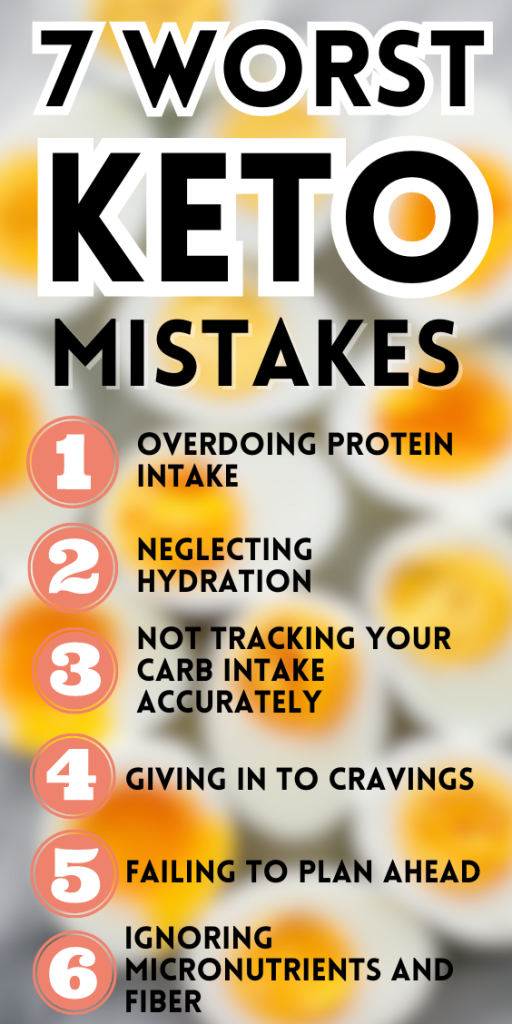
The ketogenic diet, or “keto” for short, has become increasingly popular among people looking to lose weight and improve their overall health. This low-carb, high-fat diet can help you shed those extra pounds by forcing your body to burn fat instead of carbohydrates for energy. However, it’s not uncommon for beginners to make mistakes when trying to follow this diet. In this friendly guide, we will discuss seven common keto pitfalls that you should avoid to maximize your weight loss success and maintain a healthy lifestyle. By the end of this article, you’ll be well-equipped with the knowledge you need to embark on your keto journey with confidence.
Not consuming enough healthy fats
One of the critical aspects of the ketogenic diet is the high intake of healthy fats. When you don’t consume enough fats, your body may not enter ketosis, and you might struggle to lose weight. Focus on incorporating a variety of healthy fats into your diet, such as avocados, nuts, seeds, olive oil, and coconut oil. Avoid trans fats and limit your intake of saturated fats from sources like fatty meats and full-fat dairy products.
Ignoring micronutrients and fiber
The keto diet can inadvertently lead to a decreased intake of essential micronutrients and dietary fiber. Make sure to include nutrient-dense, low-carb vegetables like leafy greens, broccoli, and cauliflower in your meals. Additionally, consider incorporating nuts, seeds, and avocados to ensure you’re getting enough vitamins, minerals, and fiber to support your overall health and well-being.
Overdoing protein intake
While protein is crucial for maintaining muscle mass and supporting a healthy metabolism, excessive protein consumption can hinder your weight loss progress on the keto diet. When you consume too much protein, your body can convert it into glucose through a process called gluconeogenesis. This can take you out of ketosis and stall your weight loss efforts. Aim for a moderate protein intake, focusing on lean sources like chicken, turkey, fish, and plant-based options like tofu and tempeh.
Neglecting hydration
Staying well-hydrated is essential for everyone, but it becomes even more critical when you’re on a ketogenic diet. A low-carb diet can cause your body to shed water weight rapidly, which can lead to dehydration if you’re not mindful of your water intake. Make sure to drink at least 8 cups of water per day, or more if you’re physically active, and consider adding electrolytes like sodium, potassium, and magnesium to your diet to maintain optimal hydration levels.
Not tracking your carb intake accurately
The success of the keto diet relies on keeping your carbohydrate intake low enough to maintain ketosis. While it might be tempting to estimate your carb intake or indulge in a few extra bites here and there, doing so can quickly add up and kick you out of ketosis. To avoid this mistake, track your carbohydrate intake accurately using a food diary or an app, and ensure you’re staying within your daily carb limits.
Giving in to cravings
Transitioning to a keto diet can be challenging, especially when it comes to dealing with cravings for high-carb, sugary treats. Giving in to these cravings can hinder your progress and make it difficult to maintain ketosis. Instead, try preparing keto-friendly alternatives to satisfy your sweet tooth, such as sugar-free dark chocolate, almond flour cookies, or berries with whipped cream.
Failing to plan ahead
The keto diet requires a certain level of commitment and planning, particularly when it comes to preparing meals and snacks. Failing to plan ahead can lead to poor food choices and derail your weight loss efforts. Take the time to plan your meals, make grocery lists, and have keto-friendly snacks on hand for when hunger strikes. This proactive approach will make it easier to stick to your diet and avoid common pitfalls like eating out or relying on high-carb convenience foods.
Conclusion
Embarking on the keto diet can be an exciting and rewarding journey, but it’s crucial to avoid common mistakes to achieve lasting weight loss success. By steering clear of these seven pitfalls – not consuming enough healthy fats, ignoring micronutrients and fiber, overdoing protein intake, neglecting hydration, inaccurately tracking carb intake, giving in to cravings, and failing to plan ahead – you’ll be better equipped to maintain a healthy, sustainable ketogenic lifestyle. As you become more experienced and knowledgeable about the keto diet, you’ll find it easier to navigate these challenges and enjoy the many health benefits it has to offer. So, armed with this information, go forth and conquer your weight loss goals with confidence and determination!